Digging up, pumping out, shipping away
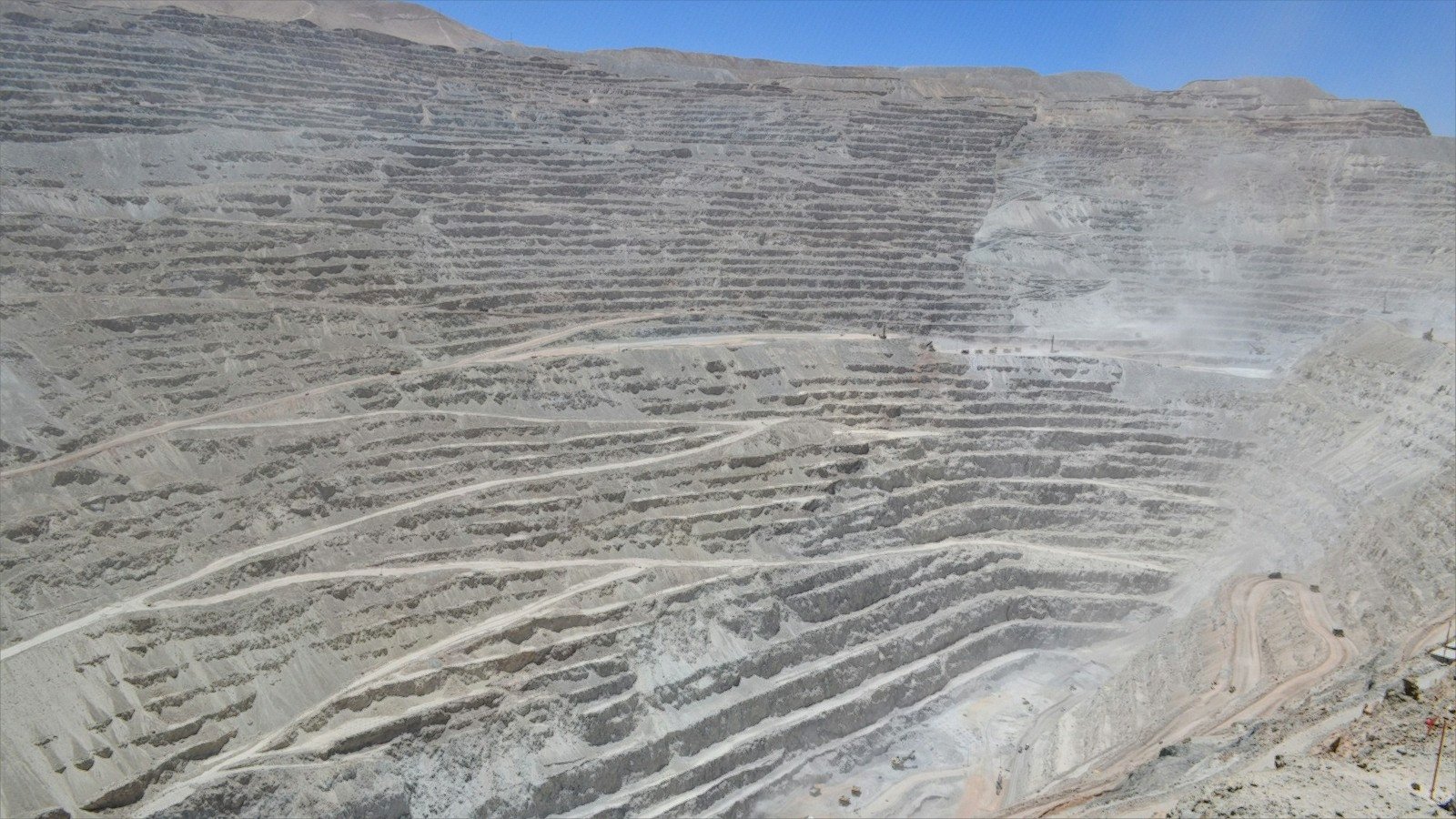
Walk the docks of Santos, Antofagasta or Puerto Barrios and the story of Latin American trade tells itself in bulk. Soybeans and iron ore leave Brazil in quantities that dwarf most other countries' entire exports. Copper from Chile's Atacama still accounts for the majority of that country's export earnings. Venezuela's twentieth century was built on oil; Colombia's coffee shaped its countryside for a hundred years before coal and petroleum took over as revenue leaders. The region is, at its core, a supplier of raw and lightly processed materials to the world — and that position comes with an arithmetic that is at once generous and brutal.
The generosity is real. When commodity prices rise — as they did during the so-called "super-cycle" of the 2000s, driven largely by China's industrialisation — governments across Latin America ran surpluses, paid down debt, funded social programmes and lifted millions out of poverty. Bolivia, Peru, Ecuador and Brazil all posted growth rates that had seemed impossible a generation earlier. The windfall was genuine. The trap lay in what happened next: when the cycle turned, after 2011–2014, currencies fell, fiscal gaps opened, and much of the infrastructure for economic diversification that had been promised was never built. The boom had been consumed rather than invested.
The structural argument
Economists have a name for the problem: the "resource curse" — the paradox by which abundant natural wealth can retard institutional development, crowd out manufacturing and entrench an elite with more interest in rent extraction than productive investment. Latin America is not a clean case study; the curse is not destiny. Chile built a sovereign wealth fund and a credible copper revenue framework. Botswana did more with diamonds than the Democratic Republic of Congo. But the pattern across most of the region has been closer to the cautionary tale: commodity booms attract spending, often on public payrolls and subsidies, rather than on industrial policy or education, and the political economy makes it almost impossible to save the surplus when prices are high and constituents are hungry.
The value-chain problem sharpens the point. Raw soybeans leave Brazil worth a fraction of what soy-based animal feed, vegetable oil or processed foods would fetch. Copper cathodes leave Chile long before they become the wiring, motors or batteries that carry the highest margins. Coffee cherries leave Colombia at commodity prices; the roaster, the brand and the café capture most of what consumers actually pay. Every Latin American government has, at some point, announced an industrialisation programme designed to move production up this chain. Most have stalled — against competition from established manufacturers in Asia and Europe, and against the easier, immediate revenues of extraction.
Latin America is not a clean case study; the curse is not destiny.
- 2000sChina-driven commodity super-cycle lifts growth across the region
- 2011–2014cycle peaks and turns; fiscal gaps open across commodity exporters
- 2020slithium demand surge reopens value-chain debate
The lithium inflection
There is one commodity that has reopened the old debate with new urgency. The lithium triangle — the salt flats shared by Argentina, Chile and Bolivia — holds a significant share of the world's recoverable lithium reserves at the precise moment when battery technology is reordering global industry. The opportunity looks different from copper or soy because the end-market is still forming: electric vehicles and energy storage are growing fast enough that regional governments are again talking, credibly, about capturing more of the value chain — refining, cell components, even assembly — rather than simply digging the mineral out and shipping it.
Whether this moment is seized or squandered will depend on exactly the factors that have determined every previous commodity episode: institutional capacity, infrastructure investment, the politics of distribution and, not least, the willingness to accept lower short-run revenues in exchange for longer-run positioning. Chile and Argentina are approaching the question differently — the first through structured concessions and partial state involvement, the second through heavier state control — and the results will be watched closely by a region that has been here before, with oil, copper and coffee, and knows how easily the promise dissolves.
The commodity question, in the end, is not really about resources. It is about what societies choose to do with the rents those resources generate — and whether the institutions exist to make the choice wisely.