The Spine of the Continent
The Andes run unbroken from Venezuela and Colombia in the north to Chile's tip in the south, and the mountains do more than define the landscape — they define the economic logic. Chile, Peru and Colombia are three distinct countries with distinct histories, institutions and political cultures, yet all three are fundamentally commodity economies: what they sell to the world comes overwhelmingly from beneath the surface or from the land above it. That shared condition creates a shared vulnerability, and understanding all three means understanding what happens when global prices turn.
Chile is the clearest case. Copper accounts for roughly half of the country's export earnings, and Chile holds the largest known copper reserves on earth. The state mining company CODELCO is one of the world's largest copper producers; alongside it, private giants such as BHP's Escondida mine have made Chile the indispensable supplier to global manufacturing — and, increasingly, to the clean-energy transition, which needs copper in vast quantities for wiring, motors and grids. When the copper price rises, Chile's fiscal position improves, its currency strengthens and its sovereign wealth funds fill. When it falls, the reverse unfolds with near-mechanical precision. The country has managed this cycle better than most: a fiscal rule anchored to a long-run copper price has smoothed boom-and-bust to a degree unusual in the region. But management is not escape. The commodity question — whether to diversify or double down — is alive in Santiago as everywhere else in Latin America.
Peru: Mining's Fragile State
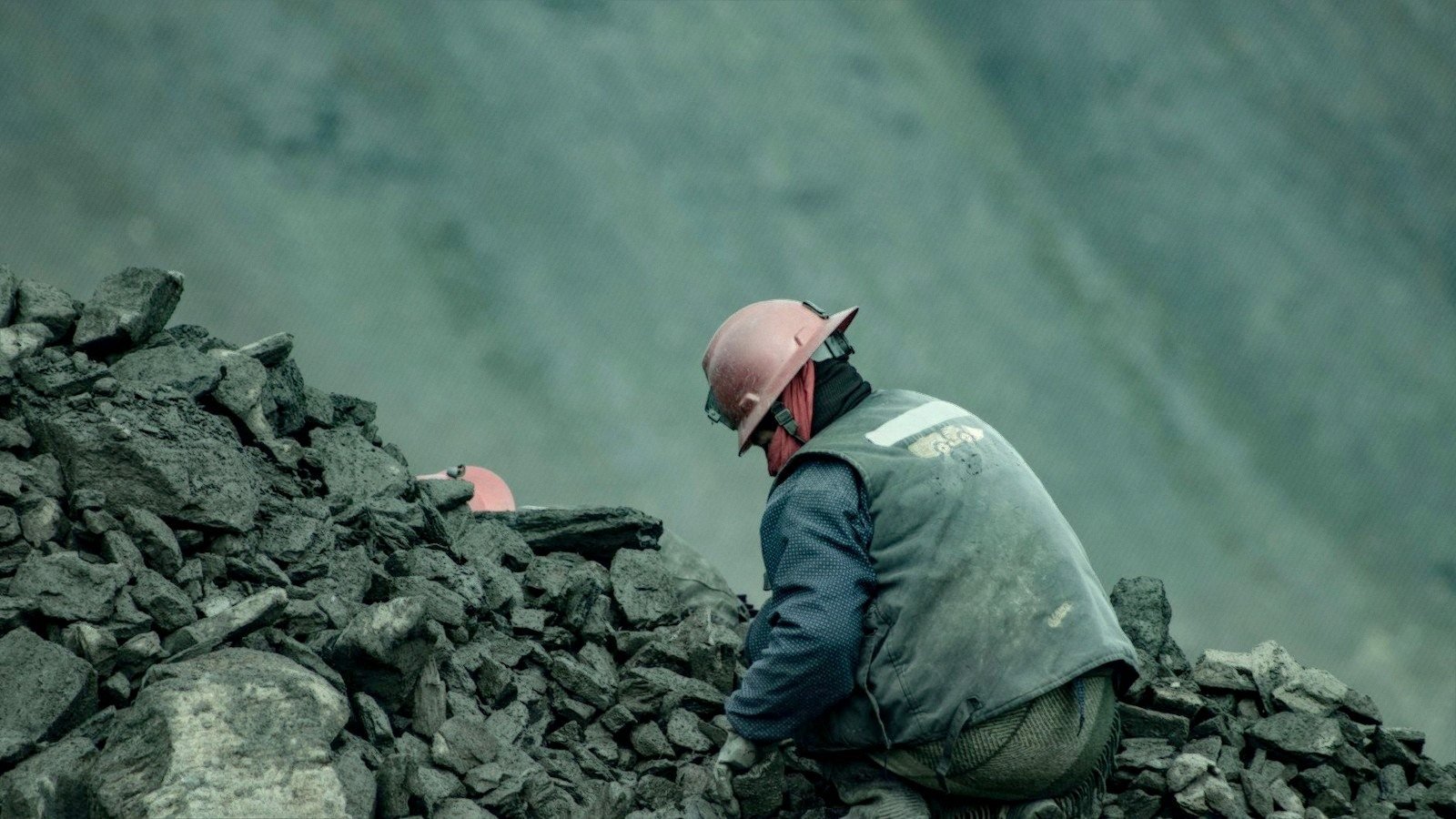
Peru's story rhymes closely with Chile's but with a more turbulent political counterpoint. The country is among the world's top producers of copper, gold, silver and zinc, and mining typically accounts for the large majority of its export revenue. Chinese demand, in particular, has shaped Peru's fortunes over the past two decades, turning the country into a primary supplier of the metals that feed Chinese manufacturing and construction.
What distinguishes Peru is the friction between the wealth underground and the communities above it. Social conflict over mining projects — ranging from protests to roadblocks to prolonged shutdowns — has become a structural feature of the investment landscape. Projects that look profitable on paper can sit idle for years while environmental and land disputes work through courts, political negotiations and, sometimes, violence. The Las Bambas copper mine, a major producer in the southern Andes, has repeatedly seen output disrupted by conflicts with neighbouring communities. No assessment of Peru's economic prospects can ignore this dimension: the country's mineral endowment is extraordinary, but the licence to extract it is perpetually contested.
Peru's economy is also more diversified than Chile's at the aggregate level. Agriculture — including the asparagus, blueberries and avocados that have made Peru a significant agri-exporter — and a growing services sector add texture. But mining sets the terms.
Peru's story rhymes closely with Chile's but with a more turbulent political counterpoint.
Colombia: The Oil-and-Coffee Republic
Colombia stands slightly apart from its Andean neighbours. Oil is its dominant export earner, with the state company Ecopetrol at the centre of production, but Colombia's reserves are modest by regional standards — sufficient to generate revenue and fiscal dependence, insufficient to place it in the league of Venezuela or Ecuador as a petro-state. What complicates Colombia's outlook is that its oil fields are maturing, and without significant new discoveries or the exploitation of unconventional reserves, production could decline over the coming decades.
Coffee, Colombia's other great export identity, tells a different story: a high-value, globally recognised product where Colombia competes on quality rather than volume. Emeralds, cut flowers and, increasingly, coal add further strands. Tourism has grown into a meaningful contributor as security has improved in former conflict zones.
All three economies are, to varying degrees, middle-income: urbanised, with real institutions, functioning tax systems and capital markets, yet still far short of the productivity levels of rich-country peers. The Andean belt is not poor — but it is structurally exposed, and the political difficulty of reducing that exposure is the central challenge each government faces, in each electoral cycle, generation after generation.